Design
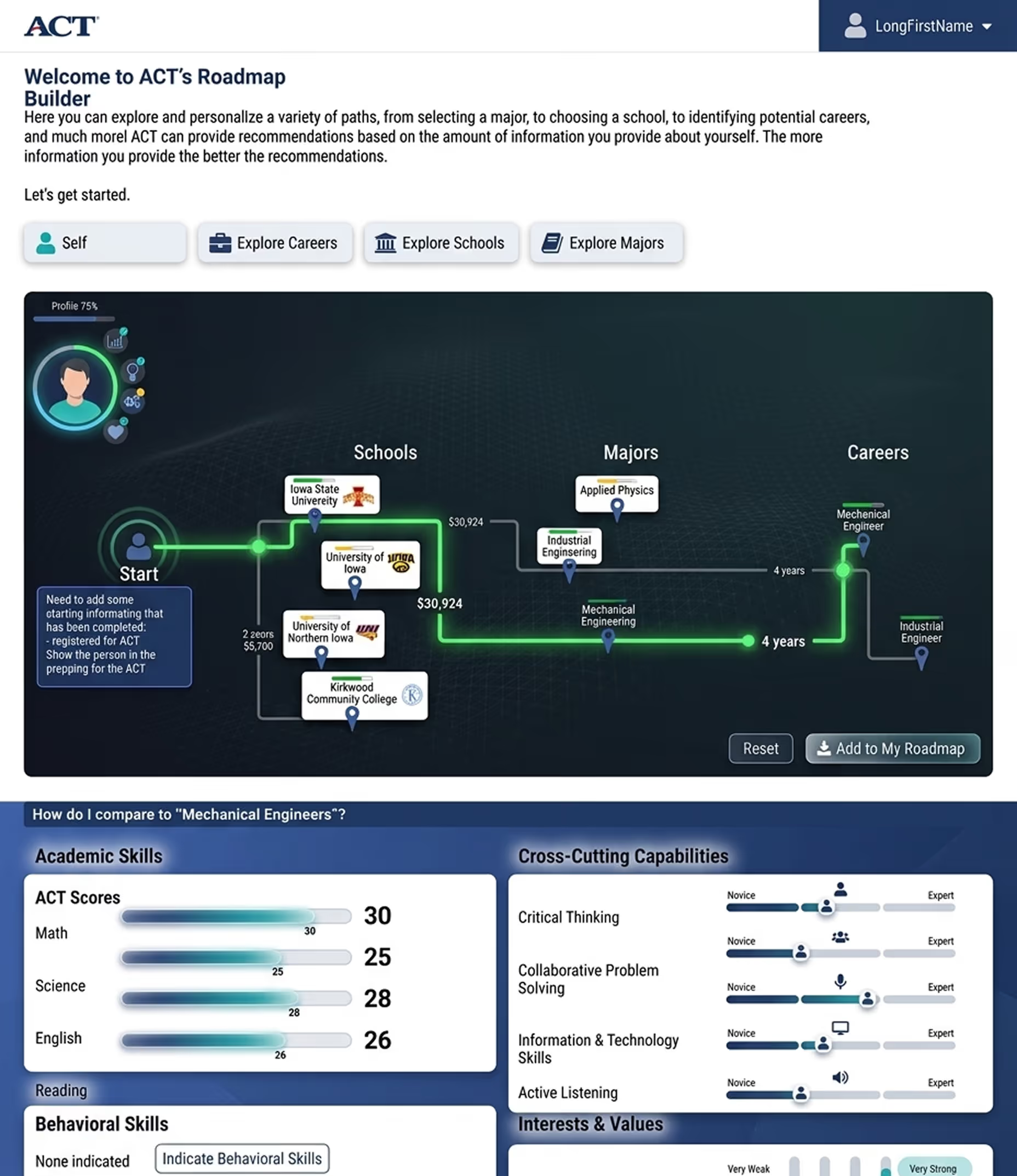
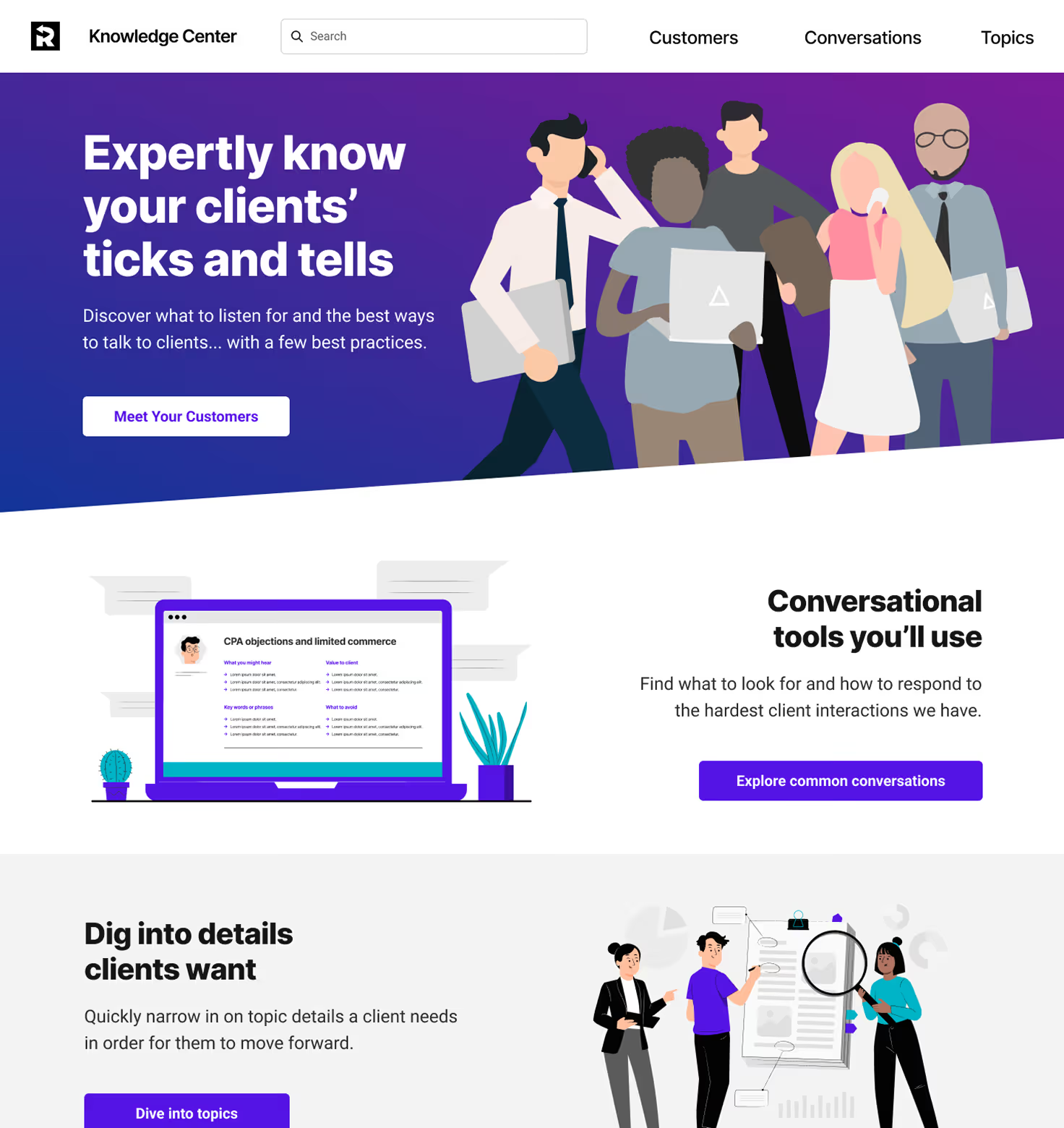
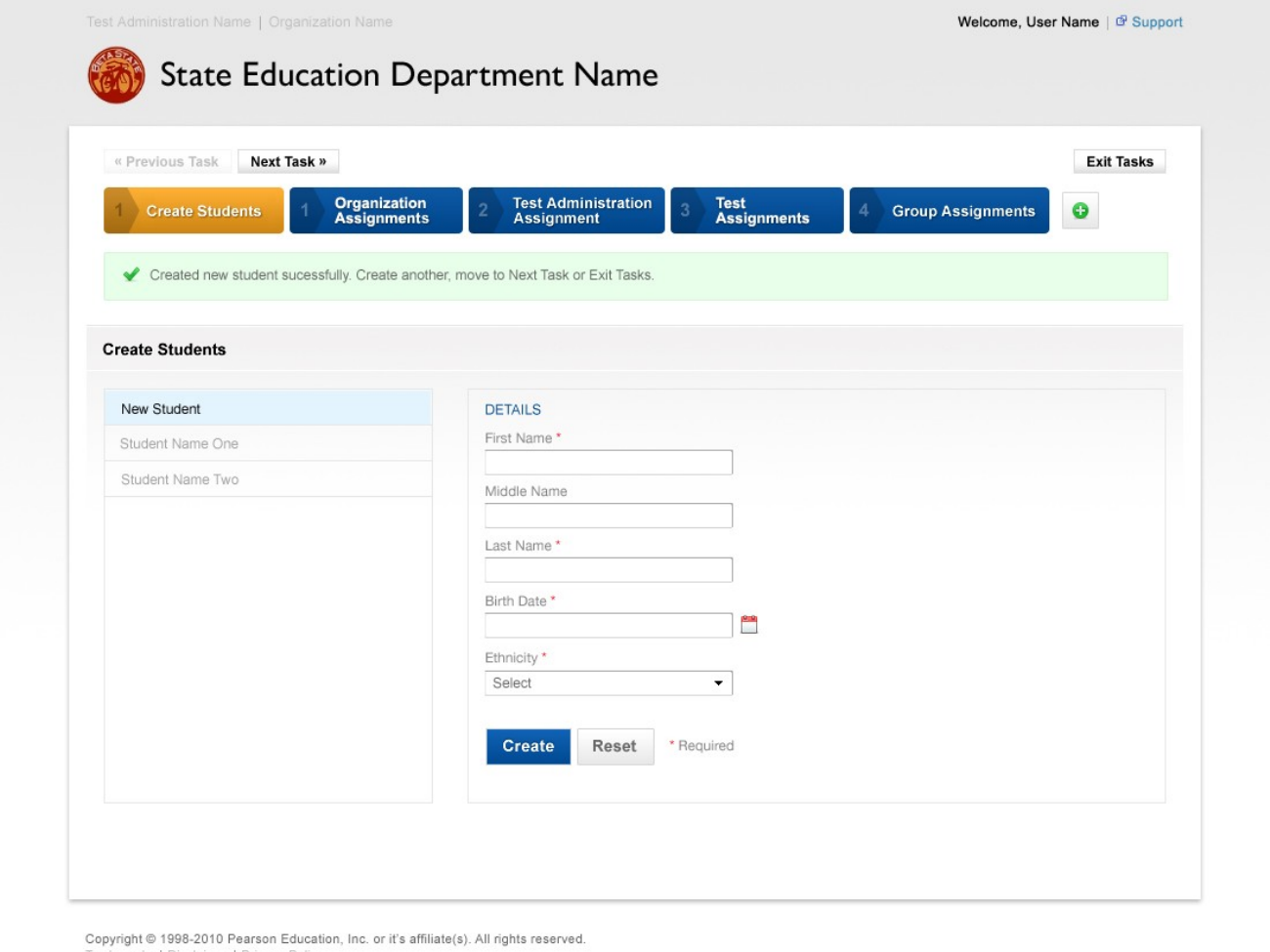
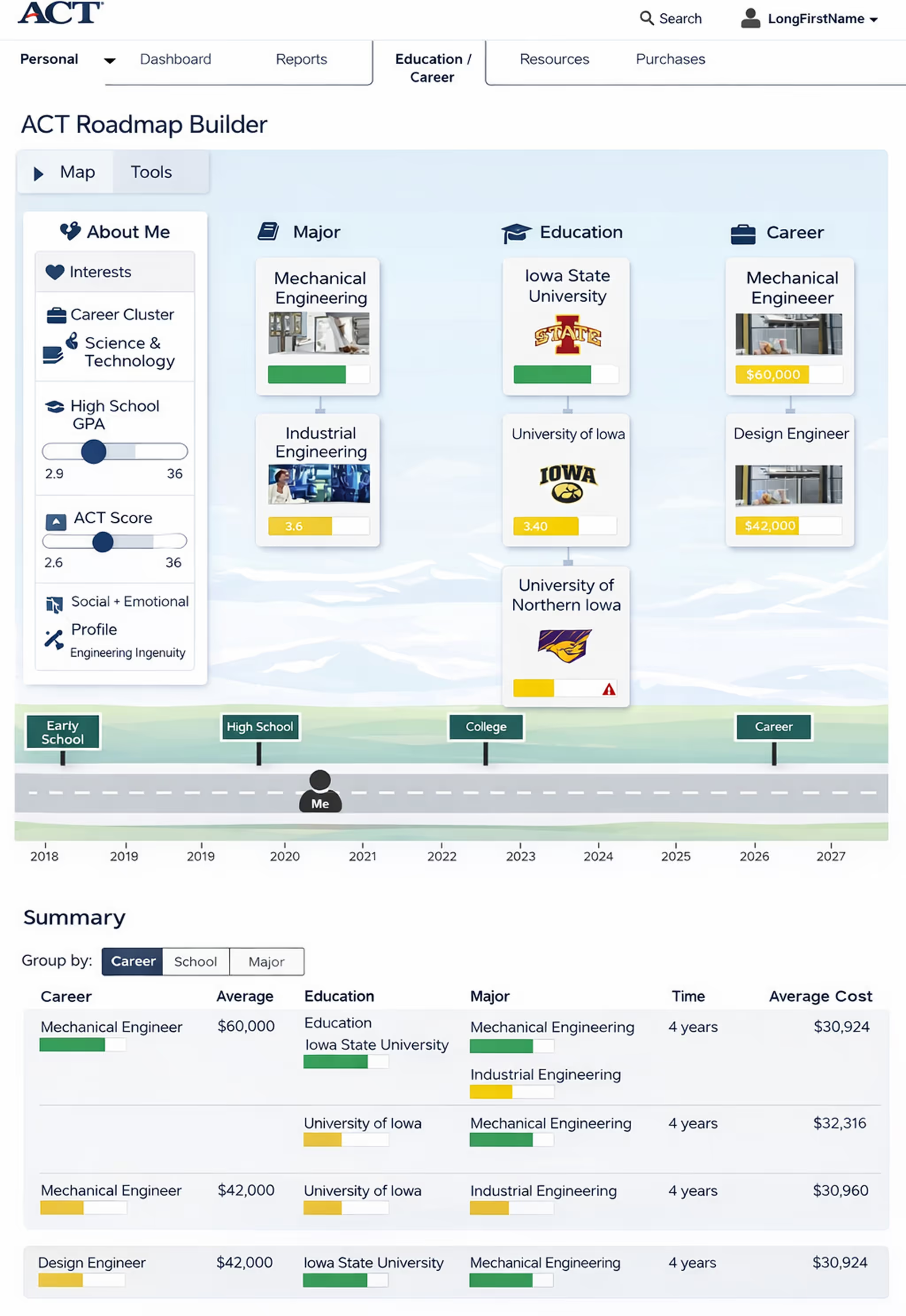
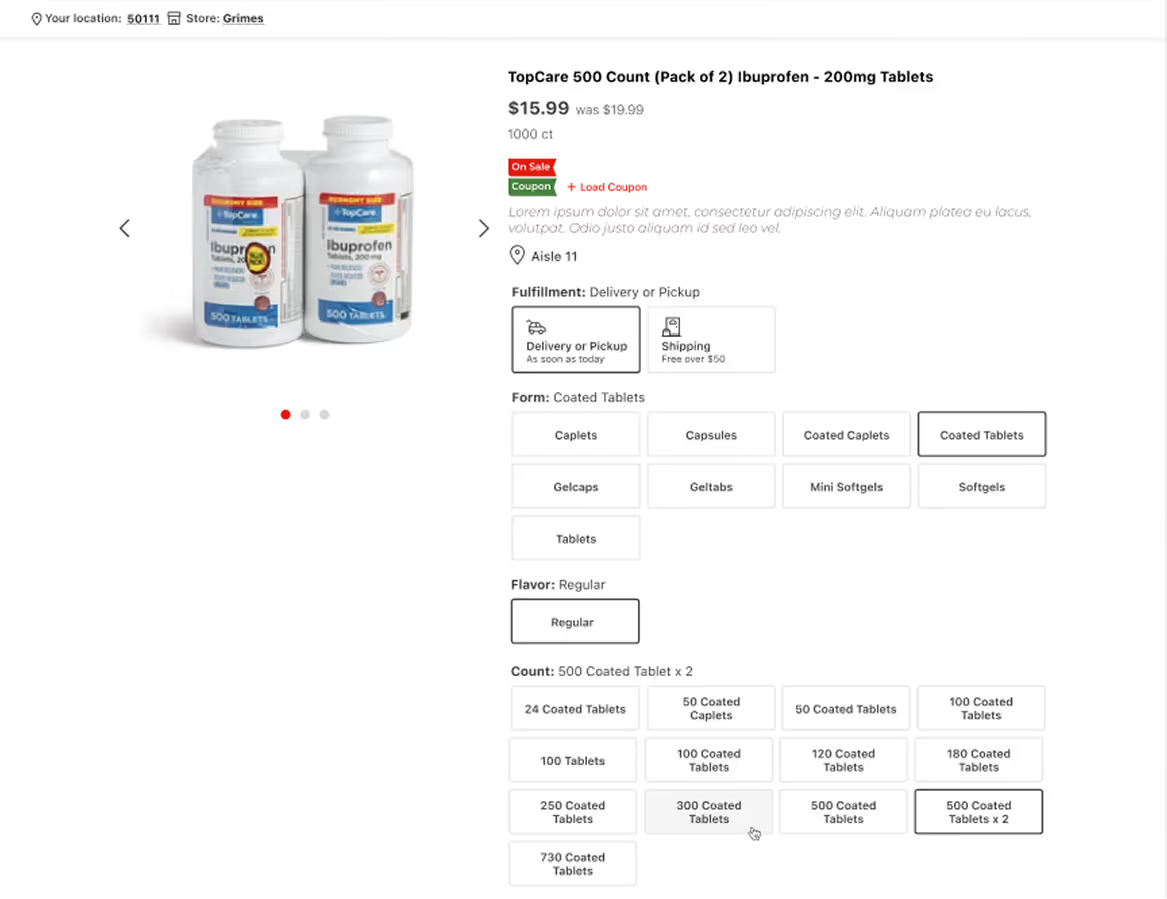
I design products that have a lot going on under the surface: complex workflows, rules, states, and data.
My job is to make that complexity understandable and keep the information people need clear and accessible.
I work across interaction design, information architecture, and visual design, but I spend most of my time on how the product behaves across states and scenarios.
Design highlights
Systems before screens
Define rules, states, and interaction models before polishing UI.
Clarity under constraint
Reduce friction while working within technical, business, and organizational realities.
Coherent behavior and clear presentation
Connect visual clarity with predictable behavior across the full experience.
Execution that holds up
Design with engineering, implementation, and scale in mind from the start.
How I design
I usually start by understanding what the product needs to do, then shape the interaction and visual design around that.
-
1
Frame
Define the problem at the system level before designing interfaces.
- Clarify users, constraints, and decision points
- Identify the behaviors the product must support
-
2
Structure
Create interaction models and information architecture that make complexity understandable.
- Define states, flows, and relationships
- Reduce ambiguity across screens and scenarios
-
3
Refine
Shape the experience so it feels clear, predictable, and usable in practice.
- Simplify high-friction moments
- Account for edge cases, errors, and the expected path
-
4
Deliver
Work closely with engineering so the design holds up in production.
- Preserve intent through implementation
- Build patterns that can scale over time
What my design work includes
My design work often spans:
- Interaction design for complex workflows, tools, and decision paths
- Information architecture that helps people understand and navigate systems
- Discovery-informed design, grounded in research insights and real constraints
- Edge-case and error-state design to prevent fragile or misleading experiences
- Design-to-engineering handoff, ensuring intent survives implementation
I prioritize clarity, predictability, and usability so experiences remain understandable even as products scale.
Designing with research in mind
I use research across design, product, and business questions. Depending on what we need to learn, that can mean understanding users, testing an experience, evaluating a product direction, or challenging assumptions before the team invests too far.
View researchCollaboration & execution
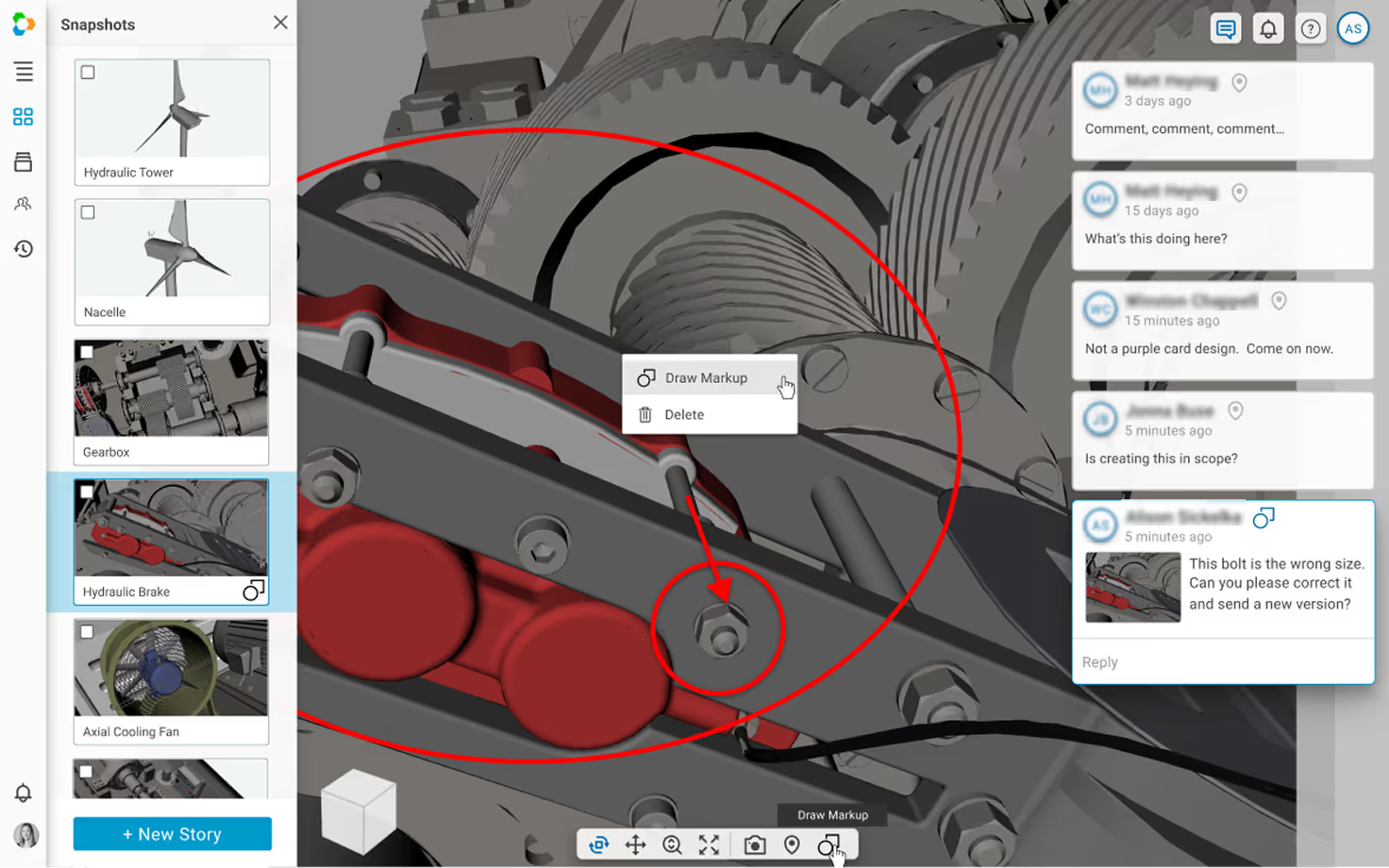
I stay close to product and engineering throughout the work, especially when technical constraints affect the interaction model. That helps us catch problems earlier and keeps implementation closer to the design intent.
When design makes the biggest impact
I am most effective when design is used to:
- Clarify complex workflows or rules
- Reduce cognitive load and decision friction
- Align multiple disciplines around shared models
- Support products expected to evolve, scale, or integrate over time
These are the problems I most enjoy working through.
“He does an exceptional job of considering both the end user and the context in which the product is used.”
Case studies
These case studies show how design decisions translate complex systems, workflows, and constraints into clear, usable experiences.