Research
I use research to understand users, clarify direction, and give teams better evidence for product decisions.
My research spans discovery, usability, concept validation, surveys, analytics, and broader product questions, depending on what the team needs to learn.
Research highlights
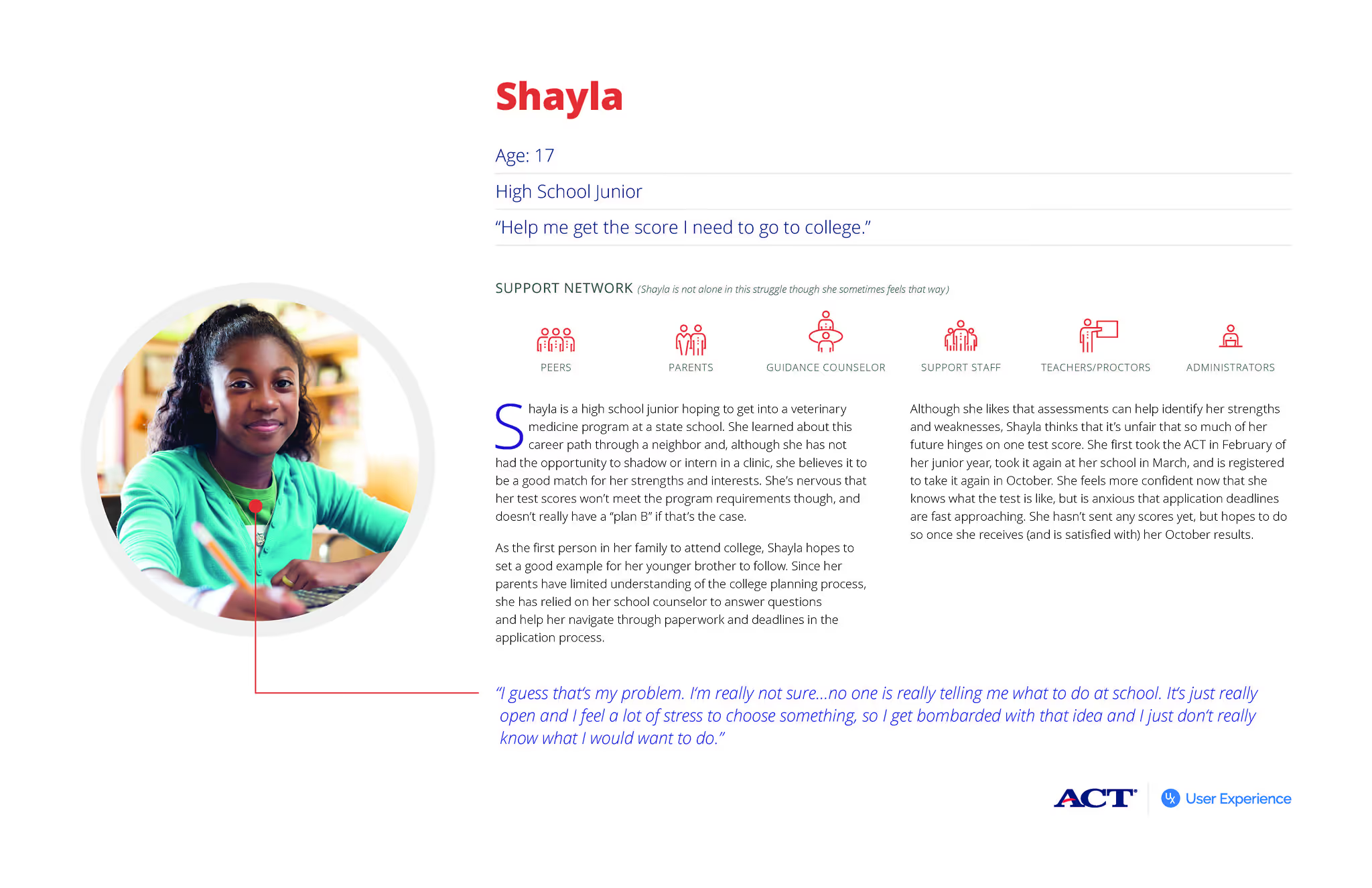
Decision-focused
Use research to clarify direction, build confidence, and guide decisions.
Connected to product decisions
Embed research into product, design, and cross-functional decision-making.
Useful evidence
Focus on the evidence that best supports the decision.
Grounded in action
Turn findings into priorities, patterns, and next steps teams can use.
How I research
I use research throughout the process, from understanding users and context early on to testing ideas and informing product decisions.
-
1
Clarify
Define what the team needs to learn and what decisions the work should support.
- Identify key questions and assumptions
- Focus research on the decisions the team needs to make
-
2
Learn
Select methods that match the decision, constraints, and level of uncertainty.
- Use the right method for the decision at hand
- Balance speed, rigor, and context
-
3
Synthesize
Turn raw inputs into patterns teams can understand and act on.
- Distill findings into themes, tensions, and implications
- Separate core signals from edge cases
-
4
Apply
Translate research into direction that shapes product, design, and tradeoffs.
- Inform priorities, structure, and validation
- Use findings to set priorities and practical next steps
What my research work includes
My research work spans both discovery and validation, depending on the decision at hand.
- Discovery research: User interviews, stakeholder interviews, contextual inquiry, and domain research to understand needs, constraints, and workflows
- Framing and synthesis: Affinity mapping, insight synthesis, opportunity statements, and opportunity definition
- Concept and structure validation: Concept testing, usability testing, tree testing, and workflow validation
- Mixed-methods research: Combining qualitative insight with surveys, usage data, analytics, and experimentation
- Ongoing evaluation: Iterative testing and analytics review to validate assumptions and guide refinement over time
I choose methods around the decision, constraints, and uncertainty.
Research in service of design and leadership
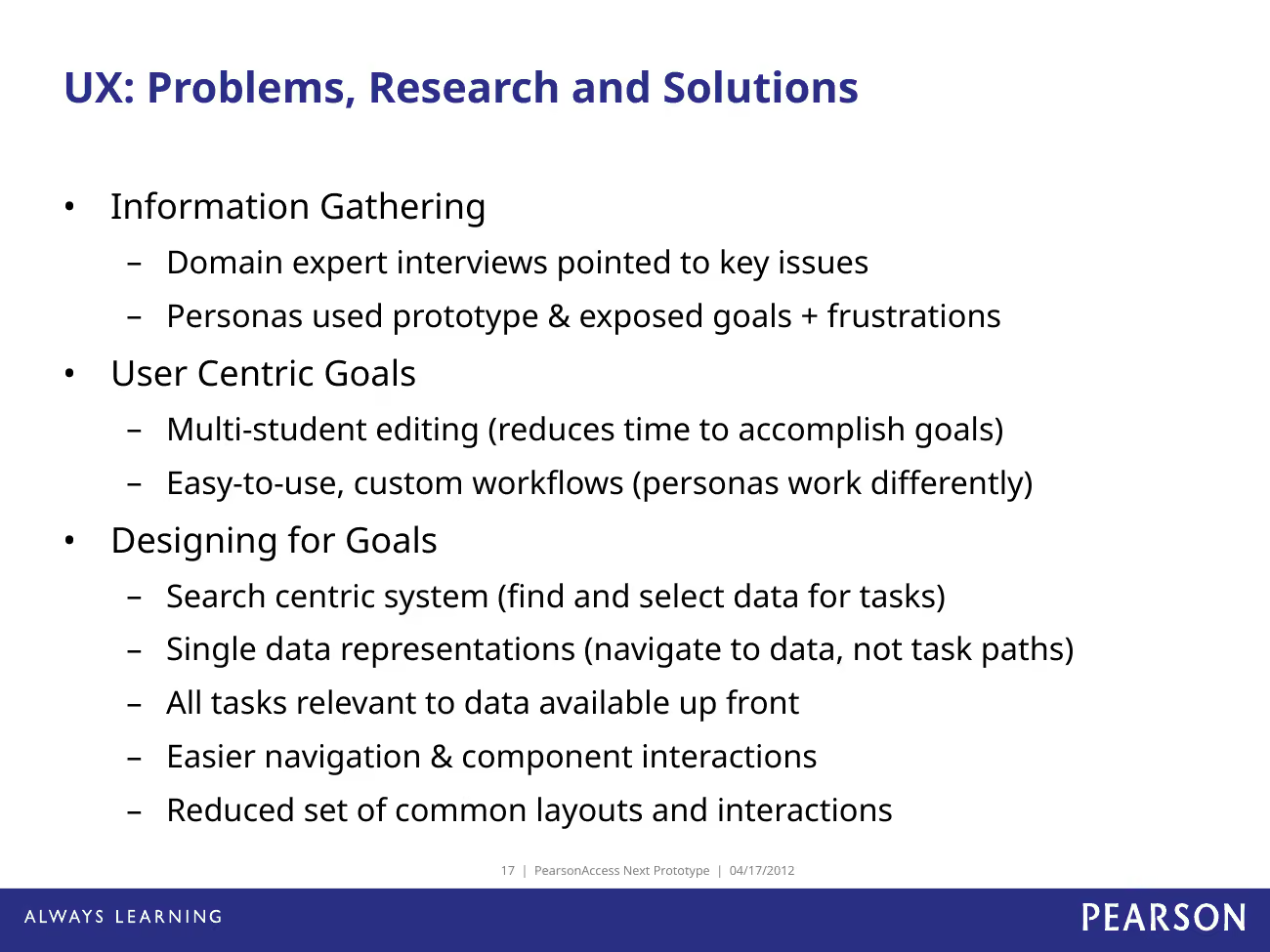
Research matters when it changes what the team does. I use findings to shape flows, information architecture, interaction models, priorities, and sometimes the product direction itself.
At its best, research gives Product, Design, Engineering, and Marketing a common set of evidence to work from, so findings guide product priorities and design decisions.
When research makes the biggest impact
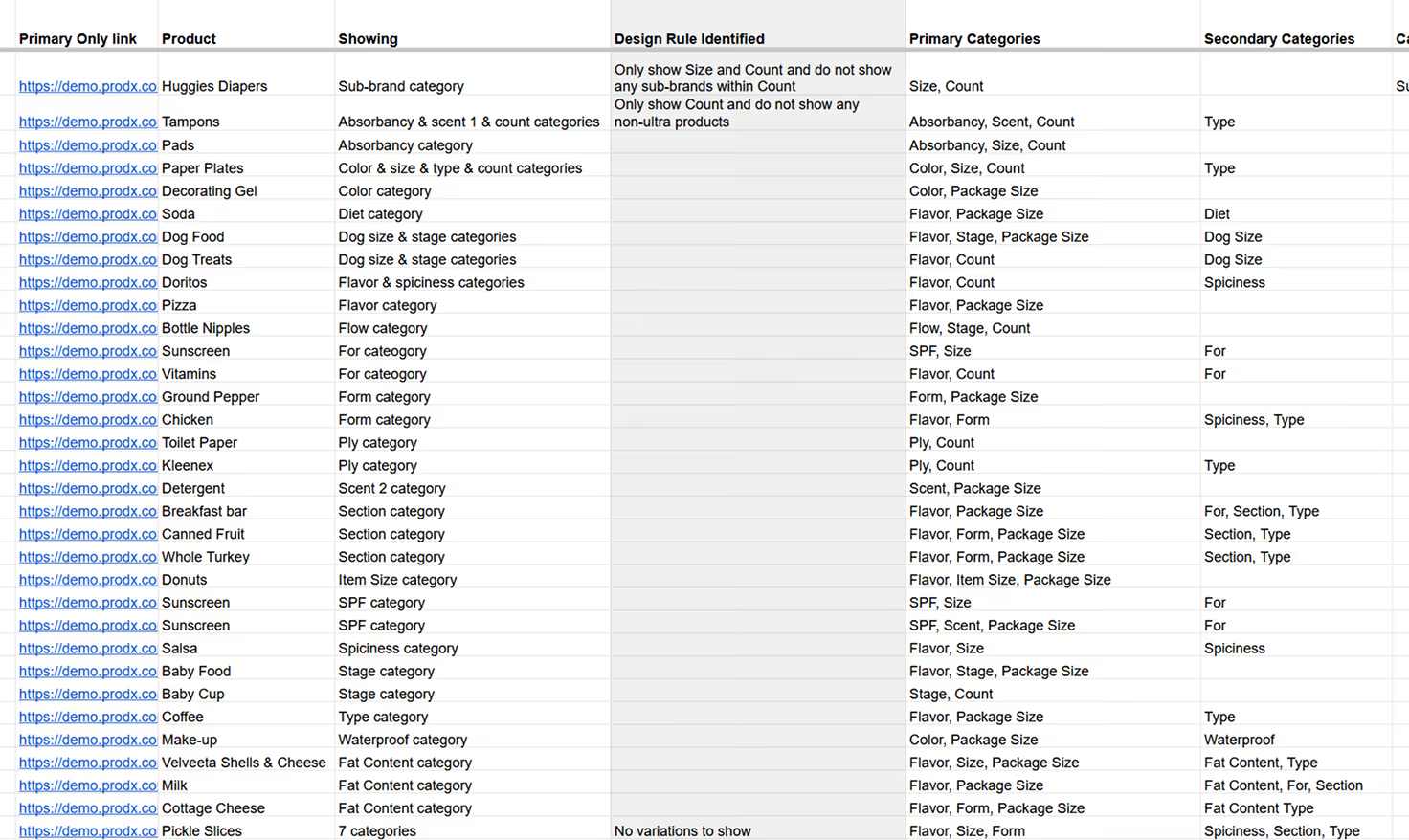
I am most effective when research is used to:
- Bring clarity to ambiguous product spaces
- Align multiple disciplines around a shared understanding
- Inform early structural and strategic decisions
- Build confidence in complex or high-stakes initiatives
- Support decisions that must scale and hold up over time
In these environments, research helps the team make a better-informed call and keep moving.
“Derek helped establish a UX design culture corporate-wide by leading by example and rapidly prototyping concepts that clarified direction and informed decisions.”
Case studies
These case studies show how research informed product direction, design decisions, and leadership tradeoffs under real constraints.